MagazineCollagen and sunlight: How to protect and restore the skin
Collagen and sunlight: How to protect and restore the skin
Summer is the season of sun. Most of us like to sunbathe and let us be honest, tanned skin always looks „nicer“. Tanning, however, is not the healthiest process for the skin. Sun-damaged skin is the result of long-term or excessive exposure to ultraviolet (UV) radiation…

Summer is the season of sun. Most of us like to sunbathe and let us be honest, tanned skin always looks „nicer“. Tanning, however, is not the healthiest process for the skin.
Sun-damaged skin is the result of long-term or excessive exposure to ultraviolet (UV) radiation. The sun emits various kinds of UV rays, especially UVA and UVB, which can have a range of significant negative impacts on the skin.
When the skin is exposed to UV radiation, several changes occur. One of the main reactions is increased production of melanin, the pigment that determines skin colour. This process leads to a tan, which is the body's natural defence reaction against further UV damage. With prolonged exposure, however, that protection breaks down and skin damage occurs (including sunburn).
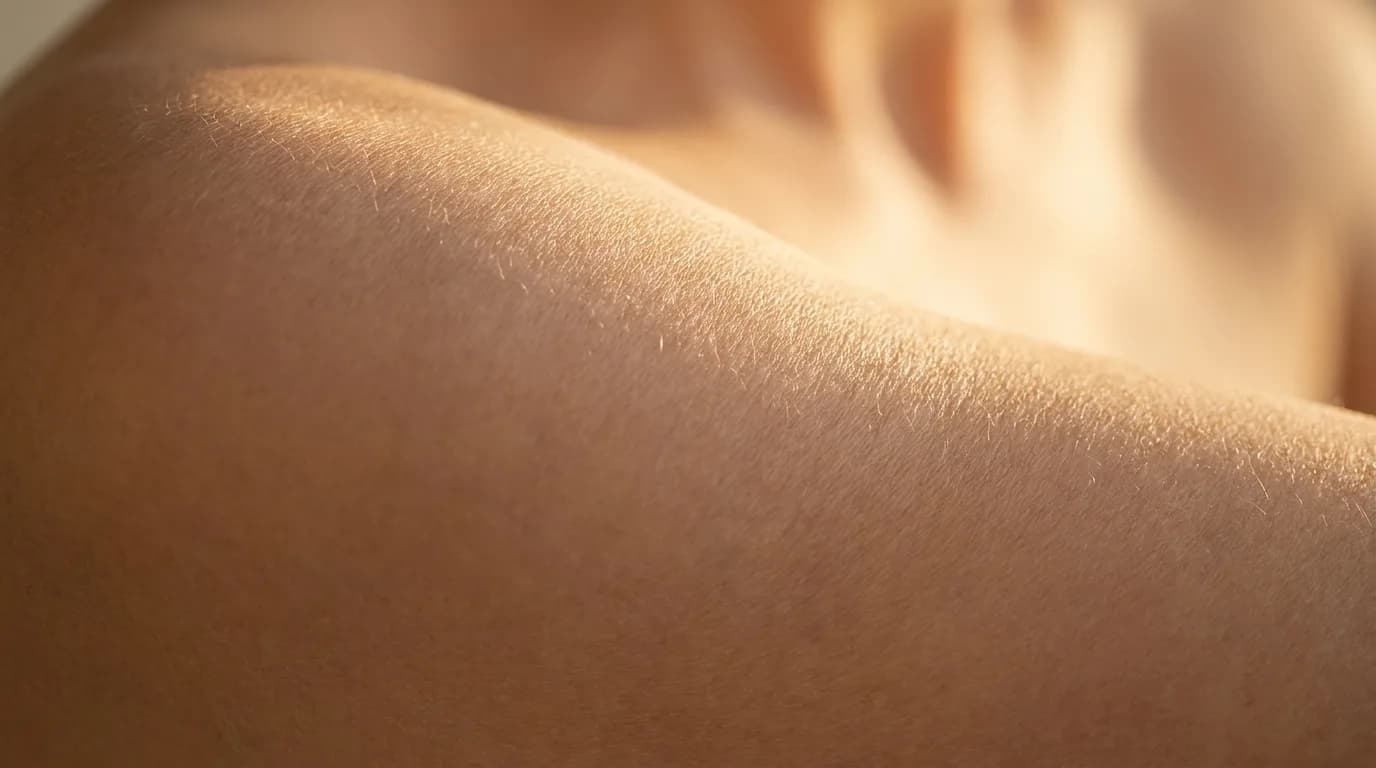
UV radiation also penetrates into the deeper layers of skin and destroys collagen and elastin fibres. Collagen and elastin are the proteins that give the skin its firmness, structure and elasticity. Sunlight breaks these fibres down, which leads to a loss of elasticity, firmness and fullness in the skin. The result is wrinkles, fine lines, sagging skin and a rough texture.
Beyond that, UV radiation encourages the formation of reactive oxygen species (ROS) in the skin. These unstable molecules cause oxidative stress and damage cell structures such as DNA, proteins and lipids. This oxidative stress disrupts the normal functioning of skin cells, limits collagen formation and accelerates skin ageing.
Sun damage also increases the risk of skin diseases such as actinic keratosis (rough, scaly patches on the skin), solar lentigines (dark spots or age spots) and can contribute to the development of skin cancer, including melanoma.
Prevention and protection from sun damage
To protect the skin from sun damage, it is essential to limit exposure to UV radiation. That includes using a broad-spectrum sunscreen with a high SPF, seeking shade during the strongest sunlight, wearing protective clothing and accessories such as hats and sunglasses. Regular skin checks and early detection of any suspicious changes are also essential for maintaining skin health.
Collagen as an aid in regenerating damaged skin
So what role does marine collagen play here? Taking collagen as a supplement can have several potential benefits for sun-damaged skin:
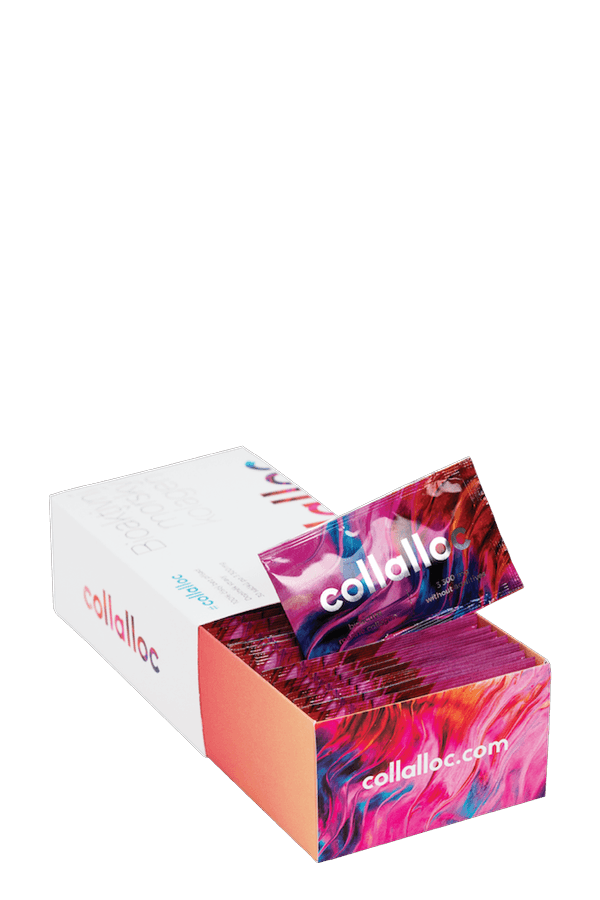
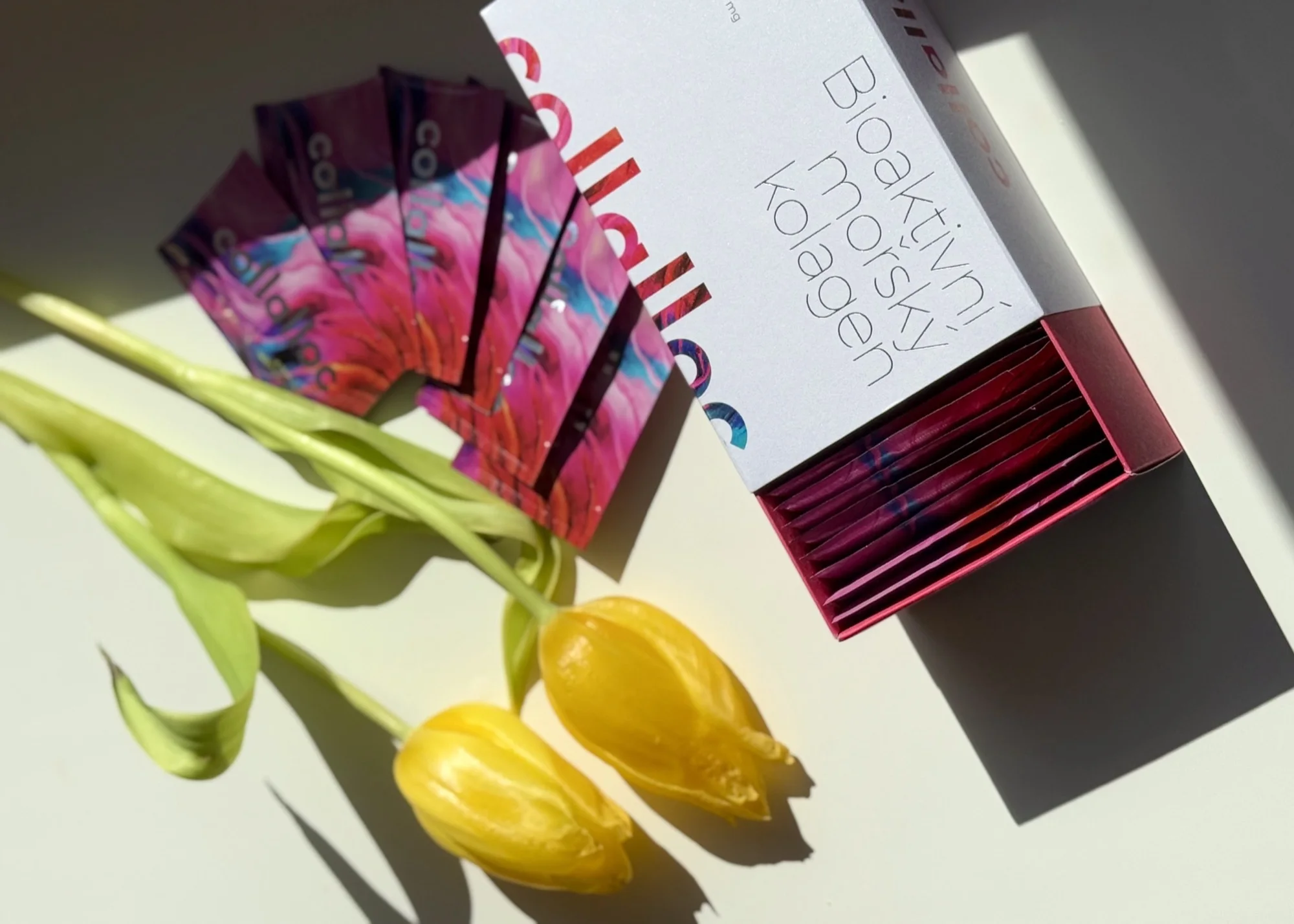
- Supporting collagen production: Collagen is a key component of the skin and provides its structure, firmness and elasticity. UV radiation can break down collagen fibres, which leads to wrinkles and slack skin. By supplementing collagen you give your body the amino acids and peptides it needs for collagen synthesis, which can help restore the lost collagen and reverse negative outcomes such as wrinkles. Bioactive hydrolysed marine collagen such as collalloc is the best choice here, since it contains a large amount of the collagen type present precisely in the structures of the skin.
- Improving skin hydration: Sun damage can disrupt the skin's ability to retain moisture, leading to dryness and a dull look. Collagen can improve skin hydration because it attracts and retains water molecules, which leads to a more hydrated and plumper complexion.
-
Antioxidant properties: Collagen contains amino acids such as glycine and proline, which have antioxidant properties. Antioxidants help neutralise the harmful free radicals that form on sun exposure, reduce oxidative stress and minimise cell damage.
- Supporting skin healing: Sun damage can cause inflammation and tissue damage. Collagen supplements can support the natural healing process by providing the building blocks needed for tissue repair and regeneration.