MagazineCollagen in summer: Why spring is the ideal time to start a course
Collagen in summer: Why spring is the ideal time to start a course
Spring in the UK has its rituals: cleaning, lighter clothes, the first trips outside. And the first t-shirt without a jumper, when you notice once again how your skin looks in natural light. If you start a collagen course now, in April or May, your body will have 8 to 12 weeks to make the effect visible exactly when you want it.

Why collagen and sun exposure influence each other directly
UV radiation (especially UVA) activates enzyme systems called matrix metalloproteinases (MMP). These break down collagen, elastin, and hyaluronic acid in the dermis. That does not mean the sun is the enemy. It means that without an adequate collagen reserve, the skin visibly “sags” after the summer season.
A collagen course started in spring works on two levels: it replenishes stores before the season and stimulates fibroblasts to increase their own collagen production at exactly the time when UVA begins to rise.
The seasonal logic of a collagen course
- Spring (March to May): ideal time to start the course. The body is recovering from winter fatigue. Collagen peptides find a prepared environment.
- Summer (June to August): the effect should be at full range. The skin is better hydrated, more elastic, and more resilient to oxidative stress from the sun.
- Autumn (September to November): the skin shows the first signs of post-exposure drying. The course supports restitution.
- Winter (December to February): ideal for a maintenance course, especially with central heating and lower air humidity.
What if you forgot to start earlier?
It is never too late. Collagen peptides do not depend on the season. They depend on consistency. Even if you start in May, you will see a difference by the end of June.
Collagen alone is not enough: summer protocol
Collagen from within works better when you combine it with care from the outside.
- SPF 30 to 50 daily. The most effective protection against MMP activation.
- Antioxidants (vitamin C, E). They neutralise free radicals from the sun.
- Hydration. Collagen needs water for its structural functions.
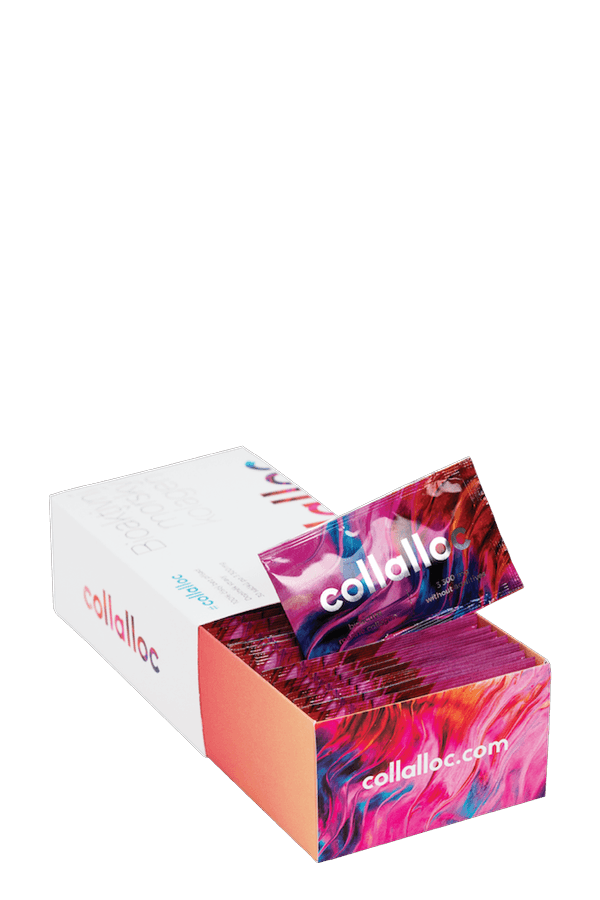
- Marine collagen 3,300 mg daily. A stable signal for fibroblasts.
Conclusion
The season is approaching. Collagen needs time. Spring is therefore the best window. Not because it is a trend, but because biology has its rhythm and it is wise to respect it.