MagazineCollagen without exercise or diet changes: does it work on its own?
Collagen without exercise or diet changes: does it work on its own?
The honest answer: it depends on what you expect from collagen. For skin, yes. For muscle and body composition, less so.

For skin: collagen works on its own
Clinical studies on the effects of collagen for skin are conducted without any prescribed exercise program. Participants simply add collagen peptides to their daily routine. The results, improved hydration, elasticity and reduction of wrinkles, are demonstrable without any change to exercise.
A 2024 randomized controlled trial published in the Journal of Cosmetic Dermatology followed 112 women over 8 weeks. The group taking hydrolyzed collagen recorded a statistically significant improvement in elasticity (p = 0,009), hydration (p < 0,001) and skin texture, without any exercise protocol.
For joints and connective tissue: it works, but slowly
Research at Harvard has shown that collagen synthesis in the joints is stimulated by a combination of collagen peptides and movement. Collagen alone can reduce pain and improve joint function, but the effect is slower and less pronounced than in combination with physical activity.
A 2024 meta-analysis involving 870 participants confirmed an improvement in pain scores even in groups without an exercise program. So it is not a zero effect, just a smaller effect.
For muscle: minimal effect without exercise
Collagen is not a complete protein. It does not contain tryptophan and has a low content of leucine, the amino acid key to muscle synthesis. Studies focused on muscle mass and body composition consistently show results only in combination with strength training.
This means: if you want better skin and more functional joints from collagen, movement is not a condition. If you want to preserve muscle mass or improve body composition, collagen without training is not enough.
And what about diet
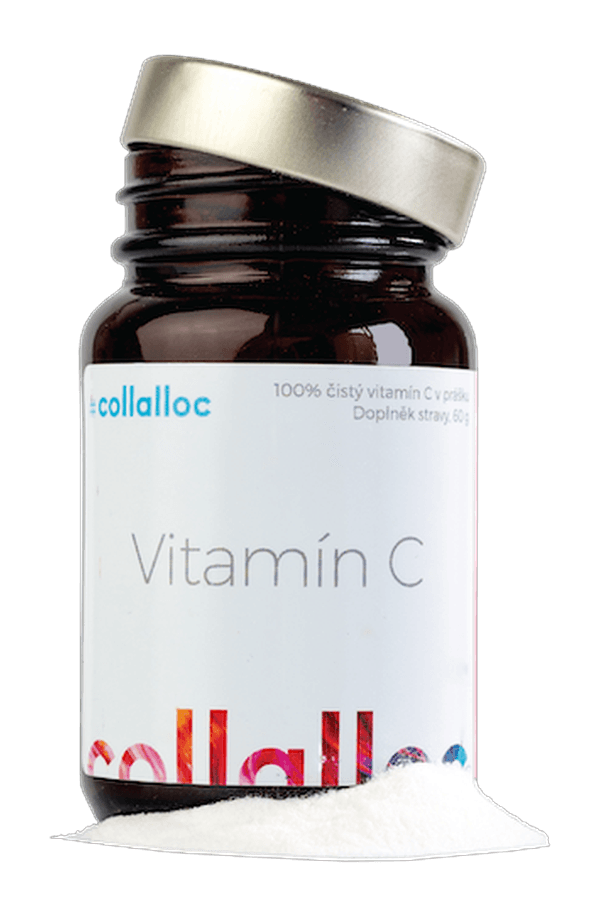
Vitamin C is an essential cofactor of collagen synthesis in the body. Without sufficient vitamin C intake the peptides signal, but the body lacks the enzymatic tools to build collagen fibers. This is the only dietary condition that directly affects the effectiveness of supplementation.
Excessive sugar intake, alcohol and smoking actively damage collagen fibers. You do not have to change everything at once, but these three factors have a direct impact on the result.
„Collagen is not a reward for a healthy lifestyle. It is a supplement that complements.“
Frequently asked questions
Does collagen work even without exercise?
For skin, yes, studies prove improved hydration and elasticity without exercise. For joints it works, but more slowly than with movement. For muscle mass, training is necessary.
Do I have to change my diet when taking collagen?
The only direct condition is enough vitamin C, the cofactor of synthesis. Sugar, alcohol and smoking, on the other hand, damage collagen.
Does collagen help with muscle?
On its own minimally, it does not contain tryptophan and has little leucine. For muscle mass it works only in combination with strength training.