MagazineCollagen for women over forty: Why it matters right now
Collagen for women over forty: Why it matters right now
Not because it is a trend. But because after forty specific things happen in the body, and collagen responds to them directly.

What changes in the body after forty
The production of collagen declines by roughly 1 % per year from the mid-twenties. By the time you reach forty you have therefore lost about 15 % of your natural collagen capacity. That alone is not a catastrophe, the body has reserves.
The problem arises when a hormonal change is added to the gradual decline. Estrogen is one of the main regulators of collagen synthesis. During perimenopause, which for many women begins around forty, its level fluctuates and gradually falls. The result: skin loses density faster, joints regenerate less well, and bones slowly lose mineral density.
Three areas where collagen matters after forty
Skin. Studies in women aged 40 to 65 repeatedly confirm improved hydration and elasticity after 8 to 12 weeks of hydrolyzed collagen. The effect is measurable with instruments, it is not merely a subjective feeling.
Joints. Collagen forms the basis of cartilage. It diminishes with age and joints lose their cushioning ability. A 2024 meta-analysis (870 participants) demonstrated reduced pain even in women without an exercise program.
Bones. Roughly 30 to 40 % of bone mass is made up of collagen. It provides the structural matrix onto which minerals are deposited. A study published in Annals of Palliative Medicine (2023) confirmed that collagen supplementation increases bone mineral density in postmenopausal women with osteopenia.
Why timing matters
Collagen banking, the preventive investment in a collagen reserve, has a biological basis. Fibroblasts, the cells responsible for collagen production, respond better to signaling peptides while they are still active and estrogen-supported.
With each year after forty this responsiveness declines, but it does not drop to zero. Research clearly shows that supplementation works in postmenopausal women too. Just at a slower pace and with a longer horizon for results.
The right answer to „when to start“ is therefore always: earlier than now. And if you started now, that is also the right answer.
„After forty the body does not stop working. It just needs more targeted material and fewer assumptions that it will manage on its own.“
Specific recommendations for women 40+
- Dose: 5 g of hydrolyzed marine collagen daily. Clinical studies in women aged 40 to 65 most often work with this dose.
- Molecular weight: below 500 Da. This is the condition for absorption as a bioactive peptide, not merely as an ordinary protein.
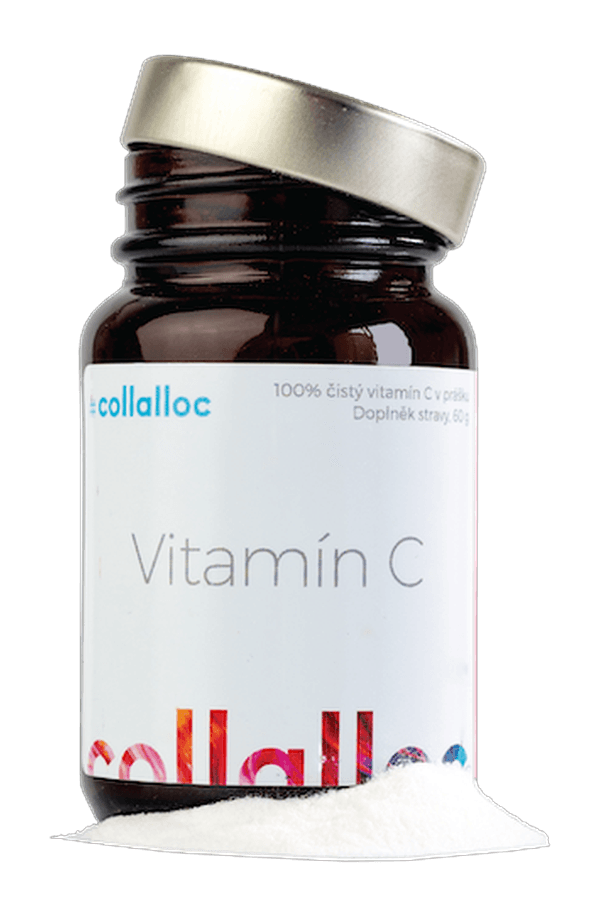
- Vitamin C: an essential cofactor of synthesis. Without it, supplementation works below its potential.
- Horizon: 8 to 12 weeks for visible results on the skin. For joints and bones expect 3 to 6 months of consistent use.
- Combination: collagen, calcium and vitamin D3 have a research-backed synergistic effect on bone density in menopausal women (a 2025 study, University of Phayao).
Frequently asked questions
When should you start taking collagen, at 40 or later?
As early as possible. Fibroblasts respond better to collagen peptides while they are active and estrogen-supported. But even after menopause supplementation demonstrably works.
Does collagen help bones and joints after forty?
Yes. Collagen forms the basis of both cartilage and the bone matrix. Studies have shown reduced joint pain and increased bone density in postmenopausal women.
What collagen dose is right for women 40+?
5 g of hydrolyzed marine collagen daily, ideally with a molecular weight below 500 Da and with vitamin C as a cofactor.