MagazineDana Škorpilová: 4 pillars of a healthy lifestyle
Dana Škorpilová: 4 pillars of a healthy lifestyle
Dana Škorpilová, trainer and nutrition consultant, sums up the 4 pillars of a healthy lifestyle: food, movement, rest and stress. And advises where to start.
Short answer: According to trainer and nutrition consultant Dana Škorpilová, a healthy lifestyle stands on four pillars: food made from fresh ingredients with as little industrially processed food as possible, regular movement and strength training, enough good-quality rest and sleep, and managing stress. To start, she recommends the simplest thing, walking more: get off one stop earlier, park further away or get up 20 minutes earlier in the morning and go for a walk. General guidelines agree with her pillars too. The WHO advises adults to get 150 to 300 minutes of moderate-intensity activity a week and regular strength training (Bull et al., 2020), and an expert panel recommends that adults sleep 7 to 9 hours a day (Hirshkowitz et al., 2015).
Who is Dana Škorpilová
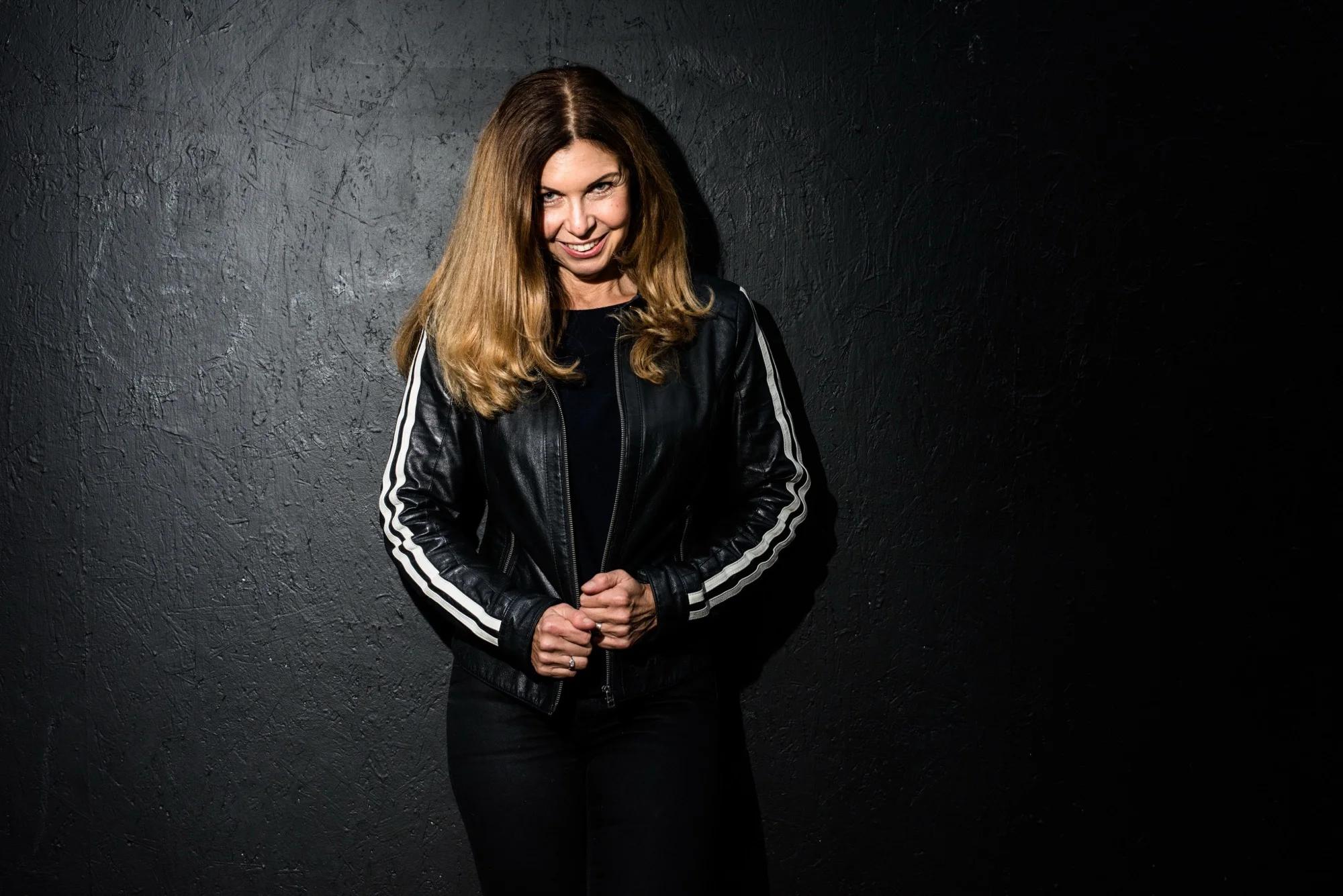
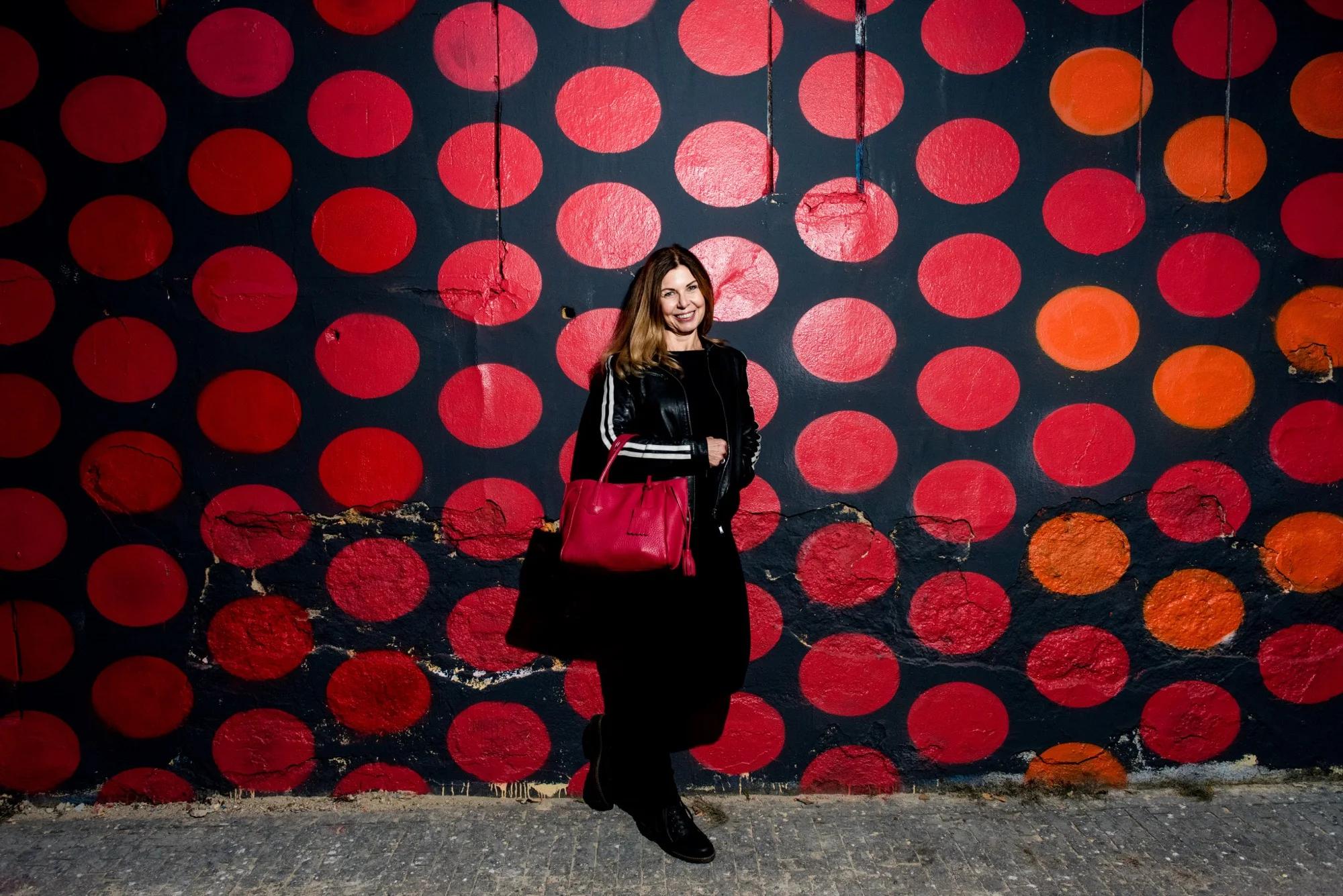
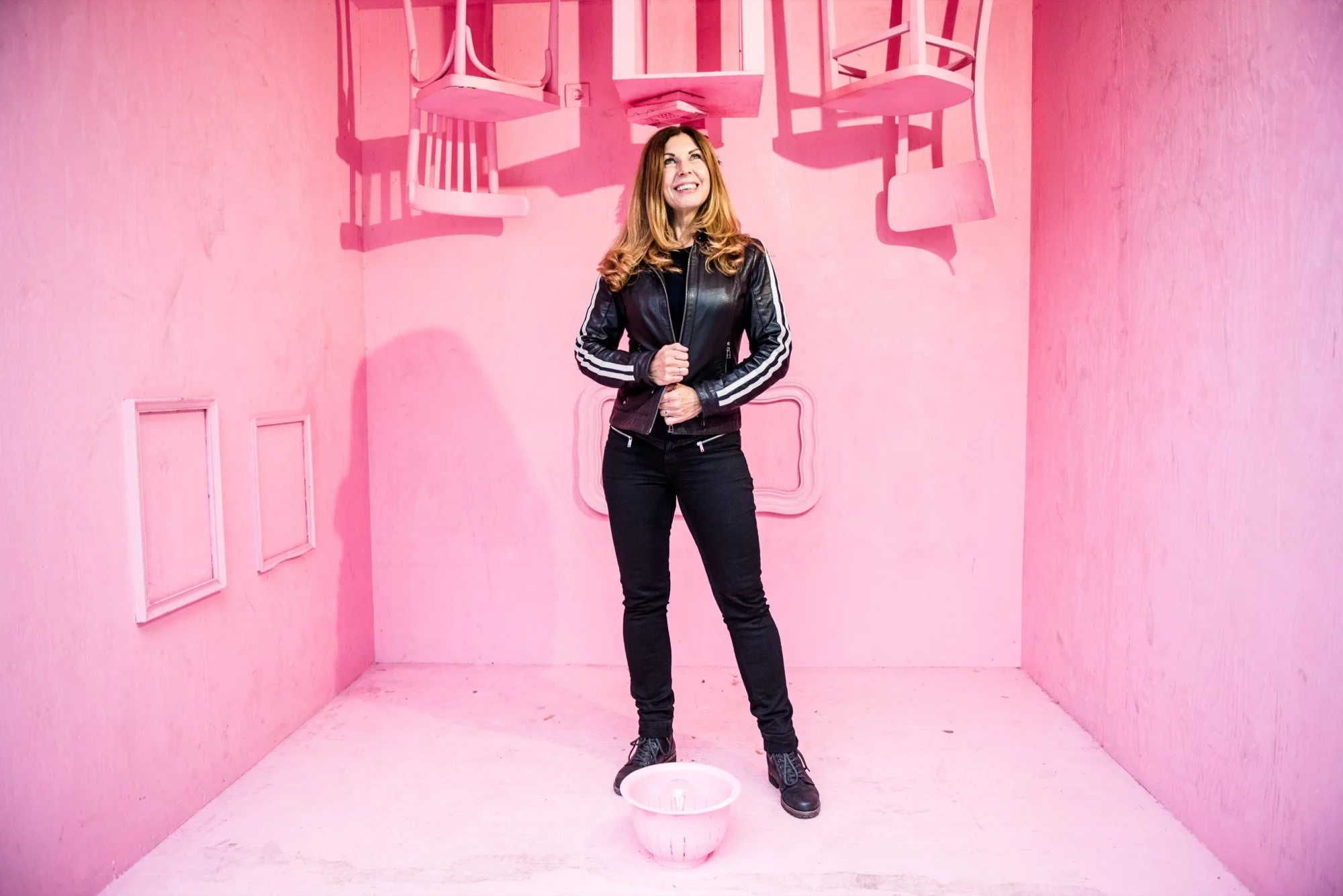
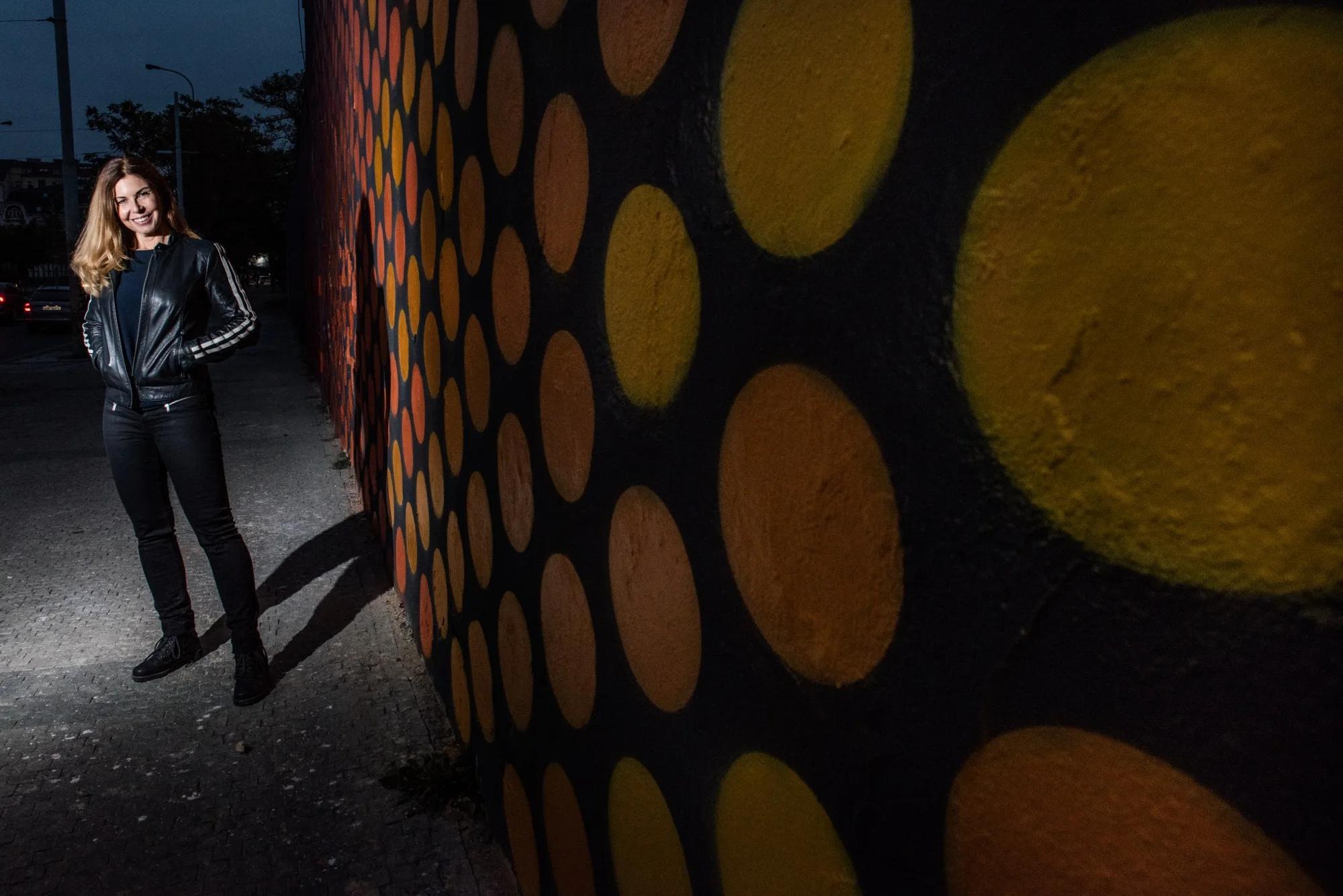
Dana Škorpilová is a personal fitness trainer, nutrition consultant and co-owner of the Running School, which she runs with her husband, the ultramarathon runner Miloš Škorpil. She is one of the most prominent promoters of a healthy lifestyle of her generation and one of the greatest female role models of today. She understands the human body and knows how to work with it. Just look at her: you would never guess her age.
Dana is a lady, so you will not find her date of birth in this article. But it is not hard to find out. Dana makes no secret of it to her fans, either on social media or in the interviews she gives to magazines about exercise, food and health. For us, she summed up her advice in four pillars and added a final tip.
Pillar 1: food
“Imagine your body as a car. When you put good fuel in it, it runs well, takes you where you need to go and serves you properly. When we put bad fuel in it, it stalls, seizes up and stops working. It is similar with the human body. With good fuel it performs well, works properly and looks good too.
But good fuel does not necessarily have to mean a diet or lots of foods that we cut out of our menu. I, for example, have a normal lunch every day. I eat everything: soup, any main course and a square of chocolate or a pastry as dessert with coffee. Eating like this, I also achieved my biggest success this year, a transformation of 9 kg of fat in 3 months.”

“With lunches like that I had well-planned breakfasts, snacks and dinners. I follow an eating style called IIFYM (if it fits in your macros). I have set macronutrient values for every day. Now that I am not in prep, there is more of it. The important thing is to set protein, fat and carbohydrates correctly.
In the second phase, carbohydrates are then manipulated: daily intake swings from a notional zero to larger amounts. One day little, the next day a lot. The body then cannot get used to it and burns like crazy. It stores nothing and uses everything as fuel.
I also stick to an important rule of trying to use raw ingredients when preparing meals. I do not buy ready meals or various convenience foods; I cook my breakfasts and dinners too. The important thing is not to eat, or to limit, highly processed food, those foods sealed in plastic with lots of unnecessary preservatives, colourings and other additives, and to add vegetables and fruit to your menu. You keep fresh when you eat fresh food.”

Pillar 2: movement
“The older a person is, the more they should exercise and do strength training. People often say they exercised when they were young and now they no longer do, because it is not appropriate. It is exactly the other way round! When we are young we do not need it so much, because we have muscle naturally. But every year we lose muscle mass, and progressively more as we get older, so we should exercise more to keep it.
A specific group is women after menopause. They should definitely exercise, and with weights, to strengthen their muscles and in this way stimulate their bones to become stronger. When we have strong muscles, the bones have to adapt too, because as muscles atrophy, bones thin.
And how to exercise? Get advice from someone who knows what they are doing, go to the gym, stretch resistance bands at home, exercise at home, outdoors… Everyone in the way that suits them.
When someone does not know how to start, my advice is: start with the most natural movement, start walking more. I go to work, I get off one stop earlier and walk. I go by car, I do not have to park right at the door, I stop a little further away. In the morning I get up 20 minutes earlier and go for a walk. This simple thing can change your life by 100%, because I am already starting the day by having done something for myself, having breathed fresh air and got oxygen into my body in daylight.”
Pillar 3: rest
“One of the best and cheapest anti-ageing tools is sleep. But in general we rest little and sleep little. And when we do sleep, we sleep badly. Today we are surrounded everywhere by so-called blue light. From monitors, phone displays, at home, at work, we are constantly under blue light, and we have a problem with our level of melatonin, which lulls us to sleep and lets us relax well in it.
People used to be outside all day, working in daylight. Then they came home and lit candles. The difference is huge, tens of thousands of lux, but that is why their rest rhythms used to work perfectly.
Today people do whatever work they do, computers, fluorescent lights, little light indoors, they are hardly ever outside. The body does not get the signal to rest, to devote itself to restoring its reserves. The solution is to be outside as much as you can, to have yellow rather than white lights at home, to switch your phone to red-light mode in the evening and not to look at any screen for at least 90 minutes before bed.”
Pillar 4: managing stress
“It is similar to light: people used to be accustomed to a different level of stress. Now we are under stress more and more, and more and more often; it is becoming a big problem that is important and, unfortunately, still underestimated.
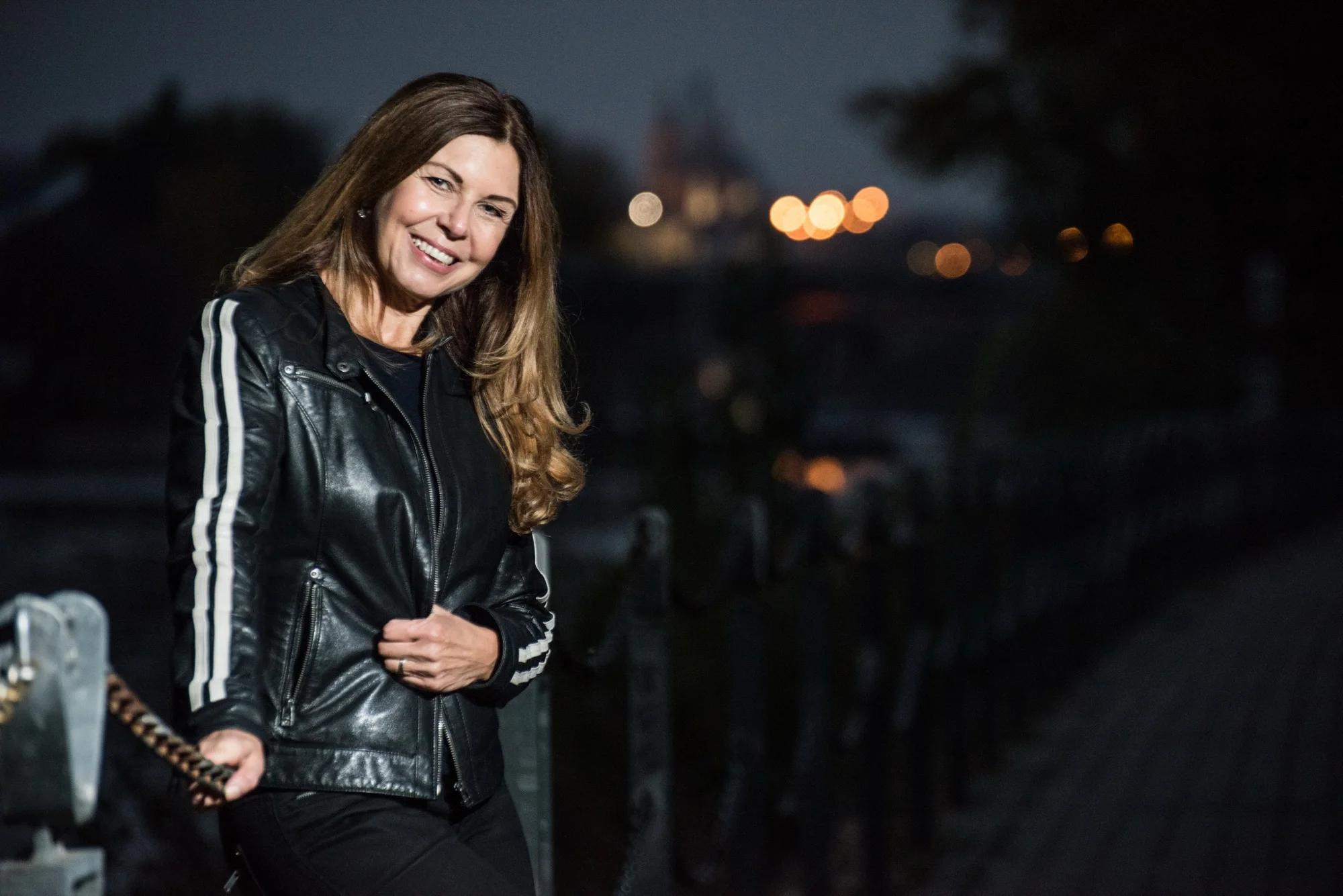
People keep asking me how it is possible that I look noticeably better than 5 or 10 years ago. I put it down to leaving a stressful job, slowing down the pace of my life and devoting more time to movement and to being outside in the fresh air.”
Final summary: how to do it
“Reduce the share of highly industrially processed food in your diet. Focus more on fruit, vegetables, meat, eggs, nuts, basic ingredients. Prepare as many things as possible at home, so that hunger does not catch you out and you do not end up somewhere (heaven forbid) in a fast-food place. Increase the share of natural foods in your diet, reduce the share of industrially processed foods. Exercise, move, rest.
Inspiration and motivation are also important. For inspiration we fortunately have social media; we can follow lots of great people and role models. And motivation is no less important, it is a chapter of its own. I talk about it in one of my most successful blog articles.
It is important to share information. Communicate with others, support each other. After this year’s win in a transformation contest, at the request of the girls who follow me, I tried out a new concept: a ‘weekend just for big girls’. A lot of them have stopped looking after themselves. Children, family, building a career, and they forget about themselves. These weekends are about me wanting to advise the girls how to change their approach and their figure the way I changed mine. It will not happen in a weekend, but they get lots of advice and information on how to do it.”
What general guidelines say about the pillars
Dana’s recommendations come from her practice as a trainer and from her own experience. For comparison, we looked up general guidelines and studies on them.
| Pillar | Dana advises | What research says |
|---|---|---|
| Food | cook from basic ingredients | ultra-processed diet: 508 kcal more a day |
| Movement | walk and do strength training | 150 to 300 minutes a week |
| Rest | no screens in the evening | 7 to 9 hours of sleep |
| Stress | slow down, be outdoors | at least 120 minutes a week in nature |
Food. In a randomised study with 20 adults who could eat as much as they wanted, people on an ultra-processed diet ate 508 kcal more a day than on an unprocessed one (Hall et al., 2019). The carbohydrate cycling Dana talks about is her personal method, not a general recommendation. Which foods naturally contain collagen is described in the article Collagen-rich foods.
Movement. The WHO recommends that adults get 150 to 300 minutes of moderate-intensity or 75 to 150 minutes of vigorous-intensity activity a week, and regular strength training in all age groups (Bull et al., 2020). Muscle mass really does decline with age, in women by a median of 0.37% a year and at around 75 already by 0.64 to 0.70% a year (Mitchell et al., 2012). Walking as a first step makes sense: in a meta-analysis of 15 studies, the risk of death fell with more steps up to roughly 6,000 to 8,000 steps a day in people aged 60 and over. This is an association, not proof of cause (Paluch et al., 2022).
Rest. An expert panel of the US National Sleep Foundation recommends 7 to 9 hours of sleep a day for adults (Hirshkowitz et al., 2015). Dana’s advice to put screens away in the evening is supported by research: people who read on a light-emitting display before bed took longer to fall asleep and produced less melatonin than when they read a printed book (Chang et al., 2015).
Stress. In a large English survey of 19,806 people, those who spent at least 120 minutes a week in nature reported good health and mental wellbeing more often (White et al., 2019). In an eight-week study with 36 city residents, salivary cortisol fell faster after time in nature than its usual daily decline would account for, and 20 to 30 minutes brought the most for the time invested (Hunter et al., 2019).
Dana does not talk about food supplements in the interview. If you take collagen alongside a varied diet, for example collalloc kolagen, see it as a supplement to food, not a replacement for it. What to avoid when taking it is summarised in the article What not to do when taking collagen.
Frequently asked questions
Who is Dana Škorpilová?
Dana Škorpilová is a personal fitness trainer and nutrition consultant. With her husband, the ultramarathon runner Miloš Škorpil, she runs the Running School. She does not hide her age on social media or in interviews, but we do not state it in this article.
How much exercise does an adult need per week?
The WHO recommends that adults get 150 to 300 minutes of moderate-intensity or 75 to 150 minutes of vigorous-intensity activity a week, plus regular strength training (Bull et al., 2020). Dana adds that with age you should do more strength training. This is because muscle mass declines: in women, according to a review of studies, by a median of 0.37% a year (Mitchell et al., 2012).
How many hours of sleep does an adult need?
An expert panel of the National Sleep Foundation recommends 7 to 9 hours of sleep a day for adults and 7 to 8 hours for older people (Hirshkowitz et al., 2015). Dana advises not looking at any screen for at least 90 minutes before bed. In a study, people reading on a light-emitting display in the evening took longer to fall asleep and produced less melatonin than with a printed book (Chang et al., 2015).
Why limit industrially processed foods?
In a randomised study with 20 adults, people on an ultra-processed diet ate 508 kcal more a day than on an unprocessed one and gained 0.9 kg on average in 2 weeks (Hall et al., 2019). That is why Dana cooks from basic ingredients and does not buy ready meals or convenience foods. At the same time, she eats normal lunches, dessert included.
How to manage stress according to Dana Škorpilová?
Dana attributes her transformation to leaving a stressful job, slowing down the pace of her life and spending more time moving in the fresh air. In a large English survey of 19,806 people, those who spent at least 120 minutes a week in nature reported good health and wellbeing more often (White et al., 2019).
Where to start with a healthy lifestyle?
Dana advises starting with the most natural movement, walking: get off one stop earlier, park further away or get up 20 minutes earlier in the morning and go for a walk. In a meta-analysis of 15 studies with 47,471 adults, the risk of death fell with the number of steps up to 6,000 to 8,000 steps a day in people aged 60 and over and up to 8,000 to 10,000 steps in younger people (Paluch et al., 2022).
Sources
- World Health Organization 2020 guidelines on physical activity and sedentary behaviour Bull F. C., Al-Ansari S. S., Biddle S., Borodulin K., Buman M. P., Cardon G., British Journal of Sports Medicine, 2020
- Sarcopenia, dynapenia, and the impact of advancing age on human skeletal muscle size and strength; a quantitative review Mitchell W. K., Williams J., Atherton P., Larvin M., Lund J., Narici M., Frontiers in Physiology, 2012
- Daily steps and all-cause mortality: a meta-analysis of 15 international cohorts Paluch A. E., Bajpai S., Bassett D. R., Carnethon M. R., Ekelund U., Evenson K. R., The Lancet Public Health, 2022
- Ultra-Processed Diets Cause Excess Calorie Intake and Weight Gain: An Inpatient Randomized Controlled Trial of Ad Libitum Food Intake Hall K. D., Ayuketah A., Brychta R., Cai H., Cassimatis T., Chen K. Y., Cell Metabolism, 2019
- National Sleep Foundation's sleep time duration recommendations: methodology and results summary Hirshkowitz M., Whiton K., Albert S. M., Alessi C., Bruni O., DonCarlos L., Sleep Health, 2015
- Evening use of light-emitting eReaders negatively affects sleep, circadian timing, and next-morning alertness Chang A. M., Aeschbach D., Duffy J. F., Czeisler C. A., Proceedings of the National Academy of Sciences of the United States of America, 2015
- Spending at least 120 minutes a week in nature is associated with good health and wellbeing White M. P., Alcock I., Grellier J., Wheeler B. W., Hartig T., Warber S. L., Scientific Reports, 2019
- Urban Nature Experiences Reduce Stress in the Context of Daily Life Based on Salivary Biomarkers Hunter M. R., Gillespie B. W., Chen S. Y., Frontiers in Psychology, 2019